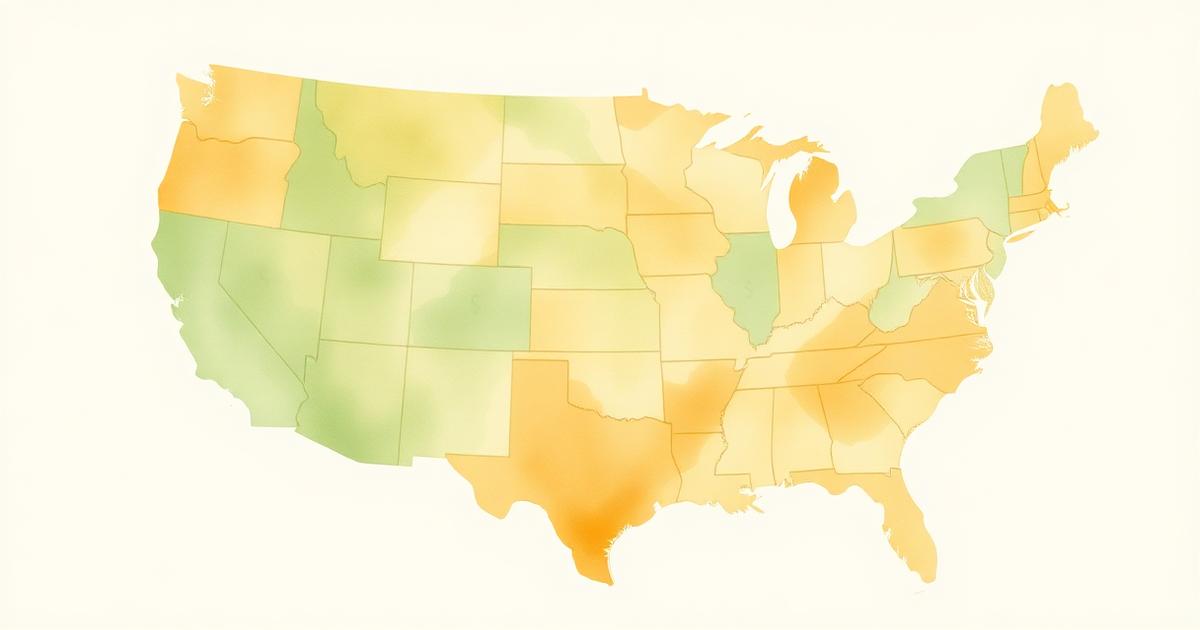
Senior Care Costs by State: The Complete 2026 Breakdown
Quick Answer
Senior care costs vary dramatically by state. Nursing homes range from $6,000/month in Louisiana to $14,000+/month in Alaska. Assisted living ranges from $3,000/month in Mississippi to $8,000+/month in Connecticut. The biggest cost drivers are labor costs, real estate, and state regulations. Costs rose 4–6% nationally in 2025–2026.
Senior care costs vary dramatically by state in 2026. Nursing homes range from about $6,000/month in Louisiana and Oklahoma to over $14,000/month in Alaska and Connecticut. Assisted living ranges from $3,000/month in Mississippi to over $8,000/month in Connecticut and D.C. Memory care costs $4,000–$12,000/month depending on state. The three biggest cost drivers are labor costs (60–70% of facility expenses), real estate costs, and state regulations. Costs rose 4–6% nationally between 2025 and 2026, driven by staffing shortages and inflation, and are expected to continue rising 4–5% annually.
Here's the complete 2026 breakdown — every major care type, every state, and the trends driving costs up.
The National Picture in 2026
Before we get into state-by-state numbers, here's the national landscape:
| Care Type | Monthly Median (2026) | Annual Cost | YoY Change |
|---|---|---|---|
| Adult Day Care | $2,000 | $24,000 | +3% |
| Home Health Aide (44 hrs/wk) | $6,292 | $75,504 | +5% |
| Assisted Living | $5,350 | $64,200 | +5% |
| Memory Care | $6,800 | $81,600 | +6% |
| Nursing Home (Semi-Private) | $9,500 | $114,000 | +4% |
| Nursing Home (Private) | $11,000 | $132,000 | +4% |
These are medians — meaning half of facilities charge more and half charge less. Your actual costs will vary based on location, level of care needed, and amenities.
Nursing Home Costs by State
Nursing homes show the widest cost variation of any care type because they involve the most intensive staffing and regulation.
| State | Semi-Private (Monthly) | Private (Monthly) |
|---|---|---|
| Alabama | $7,000 | $7,800 |
| Alaska | $14,400 | $16,500 |
| Arizona | $7,800 | $9,200 |
| Arkansas | $6,200 | $7,000 |
| California | $10,500 | $13,000 |
| Colorado | $9,500 | $11,000 |
| Connecticut | $13,800 | $15,200 |
| Florida | $9,000 | $10,800 |
| Georgia | $7,500 | $8,500 |
| Illinois | $7,200 | $8,800 |
| Louisiana | $6,000 | $6,800 |
| Massachusetts | $12,500 | $14,000 |
| Mississippi | $6,400 | $7,200 |
| New York | $13,000 | $14,500 |
| Oklahoma | $6,100 | $7,000 |
| Pennsylvania | $10,200 | $11,500 |
| Texas | $6,500 | $8,000 |
| Washington | $10,800 | $12,500 |
For the full list of all 50 states, use our Cost Calculator to compare specific locations.
Assisted Living Costs by State
Assisted living is generally the most affordable residential care option after independent living. But the state-by-state spread is still significant:
| State | Monthly Cost Range |
|---|---|
| California | $5,500–$8,500 |
| Texas | $3,500–$5,500 |
| Florida | $3,800–$6,000 |
| New York | $5,000–$9,000 |
| Ohio | $3,500–$5,000 |
| Georgia | $3,200–$5,000 |
| Arizona | $3,500–$5,500 |
| Massachusetts | $6,500–$8,500 |
| Mississippi | $3,000–$4,000 |
| Connecticut | $6,000–$8,500 |
For a deeper dive, see our guide on average assisted living costs by state.
Memory Care Costs by State
Memory care costs 30–60% more than standard assisted living due to higher staffing ratios, secured environments, and specialized programming:
| State | Monthly Cost Range |
|---|---|
| California | $6,500–$10,000 |
| Texas | $4,500–$7,000 |
| Florida | $5,000–$8,000 |
| New York | $7,000–$12,000 |
| Ohio | $5,000–$7,000 |
| Massachusetts | $7,500–$11,000 |
| Mississippi | $4,000–$5,500 |
| Connecticut | $7,000–$10,000 |
Most Expensive States for Senior Care
The five most expensive states for senior care in 2026 are:
- Alaska — The highest across every care type, driven by extreme labor costs and limited supply
- Connecticut — High cost of living, strong regulatory standards, high property values
- New York — Especially the NYC metro area, where nursing homes exceed $14,000/month
- Massachusetts — Strong healthcare regulations and high labor costs
- California — Coastal metro areas drive averages up significantly
Least Expensive States for Senior Care
The five most affordable states are:
- Mississippi — Lowest costs nationally for assisted living
- Louisiana — Lowest nursing home costs in the country
- Oklahoma — Consistently below-average across all care types
- Arkansas — Low labor costs and cost of living
- Alabama — Below national average for all residential care
What Drives the Cost Differences
Three factors explain most of the variation:
1. Labor costs (60–70% of expenses)
Staff wages are the single biggest line item for any care facility. States with higher minimum wages, stronger nurse unions, and tighter labor markets charge more. The nationwide staffing shortage has pushed wages up everywhere, but coastal and urban areas are hit hardest.
2. Real estate
Land and building costs in San Francisco vs. rural Oklahoma are worlds apart — and that flows directly into monthly rates.
3. State regulations
States with stricter staffing ratio requirements, more licensing standards, and more frequent inspections tend to have higher costs. This isn't necessarily bad — stronger regulations often correlate with better care quality.
Cost Trends: Where Prices Are Heading
Senior care costs rose 4–6% nationally between 2025 and 2026. The primary drivers:
- Staffing shortages — The care industry lost significant workforce during the pandemic and hasn't fully recovered
- Wage increases — Facilities are paying more to attract and retain staff
- Inflation — Food, utilities, medical supplies all cost more
- Demand growth — Baby boomers are entering the age where care needs increase
Expect costs to continue rising 4–5% annually for the foreseeable future. For families in the planning stages, every year you wait makes care more expensive.
How to Pay for Care
Most families use a combination of funding sources:
- Medicaid — Covers nursing home care for those who qualify (income and asset limits apply)
- VA benefits — Aid and Attendance can provide up to $2,431/month for eligible veterans
- Long-term care insurance — If your parent has a policy, now's the time to use it
- Private pay — Savings, retirement accounts, home equity
For a complete guide, see our article on how to pay for nursing home care without going broke.
Related Posts
- How to Pay for Nursing Home Care Without Going Broke
- Average Cost of Assisted Living by State in 2026
- Does Medicare Cover Nursing Home Care?
Use Kinporch's Cost Calculator to compare care costs in your specific area — free, no sign-up required.
Kinporch Editorial Team
The Kinporch Editorial Team researches and writes evidence-based guides to help families navigate senior care decisions. Our content is reviewed for accuracy and informed by CMS data covering 59,000+ facilities nationwide.