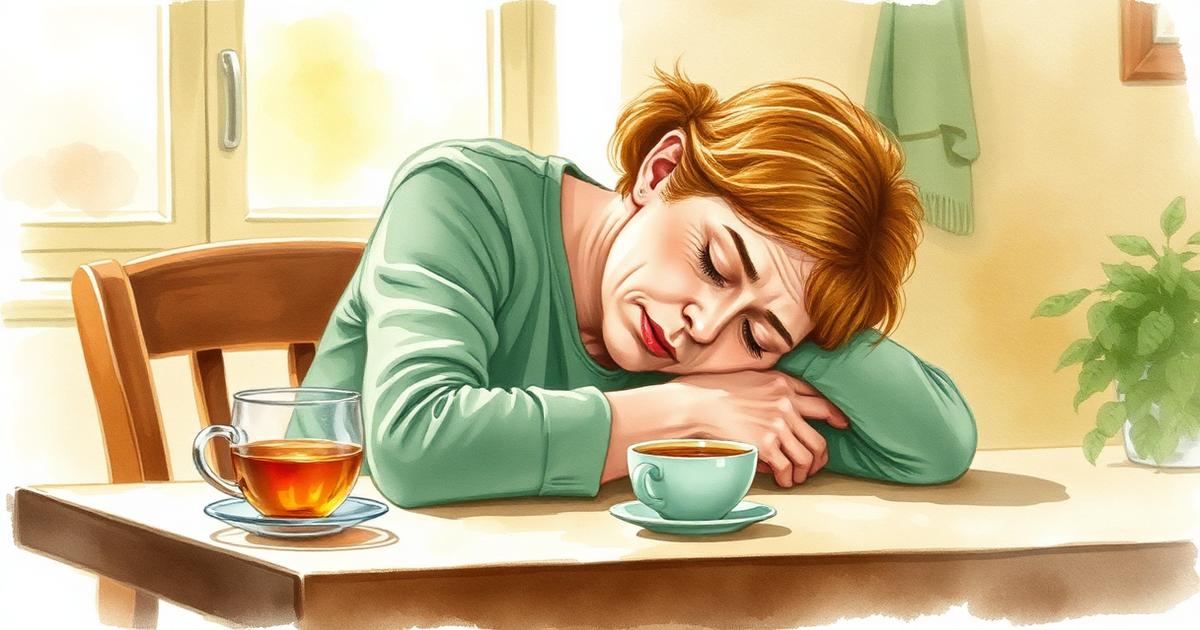
Caregiver Burnout Is Real: Signs, Science & What Actually Helps
Quick Answer
Caregiver burnout affects over 60% of family caregivers and shows up as chronic exhaustion, withdrawal from friends, health problems, irritability, and feelings of hopelessness. It's driven by prolonged stress that elevates cortisol and suppresses immune function. What helps: respite care, support groups, therapy, setting boundaries, and recognizing that choosing facility care isn't failure — it's often the best decision for everyone.
Caregiver burnout is a predictable physiological response to chronic stress that affects over 60% of the 53 million unpaid family caregivers in America, manifesting as chronic exhaustion, withdrawal from friends, increased illness, irritability, and feelings of hopelessness. It's driven by prolonged cortisol elevation that suppresses immune function, impairs memory, and increases cardiovascular risk. The most effective interventions are respite care (which reduces caregiver depression by 30%), support groups, cognitive behavioral therapy, and setting boundaries. Recognizing that choosing professional facility care isn't failure — it's often the best decision for everyone, because burned-out caregivers provide measurably worse care, including more medication errors and less patience.
If you're one of those 53 million — if you're reading this at 11 PM after a day of managing medications, doctor appointments, meal prep, and the slow heartbreak of watching someone you love decline — this article is for you. You're not failing. You're human. And what you're experiencing has a name, a mechanism, and actual solutions.
The Numbers Nobody Talks About
The research on family caregiving is sobering:
- 60-70% of family caregivers show clinically significant symptoms of depression
- Caregivers have a 23% higher level of stress hormones than non-caregivers
- Elderly spousal caregivers have a 63% higher mortality rate than non-caregivers of the same age
- Family caregivers lose an average of $522,000 in lifetime wages
- 72% of caregivers report not going to the doctor as often as they should
- The average family caregiver provides 24 hours per week of care — some provide 40+
These aren't abstract statistics. They represent real people — probably someone a lot like you — who took on caregiving because they love someone and didn't realize how much it would cost them.
What Caregiver Burnout Actually Looks Like
Burnout isn't just "being tired." It's a constellation of physical, emotional, and behavioral changes that develop over time. And because they develop gradually, many caregivers don't recognize what's happening until they're deep in it.
Physical Signs
- Chronic exhaustion that a good night's sleep doesn't fix
- Getting sick more often — colds, flu, infections
- Headaches, back pain, muscle tension
- Changes in appetite — eating too much or too little
- Sleep disruption — insomnia, sleeping too much, or waking unrefreshed
- Weight changes — gaining or losing without trying
Emotional Signs
- Feeling hopeless or trapped — "this will never end"
- Resentment toward the person you're caring for (followed by crushing guilt for feeling that way)
- Emotional numbness — going through the motions
- Anxiety or panic attacks
- Crying more easily or not being able to cry at all
- Loss of interest in things you used to enjoy
Behavioral Signs
- Withdrawing from friends and social activities
- Neglecting your own medical appointments
- Increased use of alcohol, sleep aids, or comfort eating
- Snapping at family members, especially the person you're caring for
- Unable to concentrate or make decisions
- Fantasizing about "escaping" — driving away and not coming back
If you recognize yourself in three or more of these signs, you're not being dramatic. Your body and mind are telling you something real.
The Science Behind It
Caregiver burnout isn't a character flaw. It's a predictable physiological response to chronic, unrelenting stress.
Cortisol and the stress response
When you experience stress, your body releases cortisol — the "fight or flight" hormone. Short bursts of cortisol are normal and healthy. But chronic cortisol elevation — the kind that comes from months or years of caregiving stress — causes measurable damage:
- Immune suppression: Chronically elevated cortisol weakens your immune system. Caregiver studies show reduced vaccine response and slower wound healing.
- Cognitive impairment: High cortisol damages the hippocampus, affecting memory and concentration. (That "brain fog" you feel is real.)
- Cardiovascular stress: Chronic stress increases inflammation, blood pressure, and risk of heart disease.
- Sleep disruption: Cortisol interferes with melatonin production, creating a vicious cycle of poor sleep → more stress → worse sleep.
The caregiving-specific factors
What makes caregiving stress different from, say, a demanding job?
- You can't quit. There's no resignation letter, no "I'll start looking for something else."
- It gets harder over time. Most caregiving situations escalate — more hours, more complexity, more emotional weight.
- The emotional labor is constant. You're not just doing tasks; you're managing grief, fear, guilt, and love simultaneously.
- Isolation is built in. As caregiving demands increase, social connections shrink.
- There's no positive feedback loop. In most caregiving situations, the person doesn't get better. The trajectory is one direction.
Risk Factors That Increase Your Vulnerability
Some caregivers are at higher risk for burnout:
- Women — who make up 60% of family caregivers and typically provide more intensive care
- Spousal caregivers — who are often aging themselves
- Caregivers of people with dementia — the most demanding form of caregiving
- People with limited financial resources — who can't hire help
- Caregivers without a support system — isolated geographically or socially
- People who were already managing depression or anxiety before becoming caregivers
- Those providing more than 20 hours/week of care — the burnout risk increases sharply above this threshold
The Guilt Trap
Here's the hardest part to talk about: guilt keeps burned-out caregivers from getting help.
The internal dialogue sounds like this:
"I should be able to handle this — other people do."
"If I ask for help, it means I'm not good enough."
"She took care of me for 18 years. I owe her this."
"What kind of person resents taking care of their own mother?"
Let's be clear about something: feeling resentful doesn't mean you don't love the person. It means you're a human being running on empty. Love and exhaustion coexist. You don't have to choose between them.
And the cruel irony? Burned-out caregivers provide worse care. Research shows:
- More medication errors
- Less patience with behavioral issues
- Reduced attention to safety hazards
- Higher rates of verbal and physical aggression toward care recipients
Getting help isn't selfish. It's the thing that allows you to keep caring without destroying yourself — or the relationship.
What Actually Helps
Here's the part you came for. Not platitudes — actual interventions with evidence behind them.
1. Respite Care
This is the single most effective intervention for caregiver burnout. Respite care provides temporary relief — from a few hours to a few weeks.
Types of respite:
- In-home respite: A professional caregiver comes to your home for a few hours
- Adult day programs: Structured daytime care, typically 7 AM – 6 PM, with activities and meals
- Short-term facility stays: Your loved one stays in an assisted living or nursing facility for 1–4 weeks
How to find it:
- Call your local Area Agency on Aging: eldercare.acl.gov
- The ARCH National Respite Network: archrespite.org
- VA Caregiver Support (for veterans): 1-855-260-3274
Some respite programs are free through Medicaid waivers, VA programs, or state programs. For more details, read our guide on home health care vs. nursing home care.
2. Support Groups
Connection with other caregivers is consistently shown to reduce depression and anxiety. You need people who understand without having to explain.
- Alzheimer's Association support groups: alz.org
- Family Caregiver Alliance: caregiver.org
- Well Spouse Association: wellspouse.org (for spousal caregivers)
- Many hospitals offer caregiver support groups
Online groups work too — especially at 11 PM when you can't sleep.
3. Therapy
Cognitive behavioral therapy (CBT) is particularly effective for caregiver burnout. A therapist can help you:
- Set boundaries without guilt
- Process grief (you're grieving the person they were, not just caring for the person they are)
- Develop coping strategies
- Recognize and challenge unhelpful thought patterns
Many therapists now offer telehealth appointments — you can do a session during your parent's nap time.
4. Setting Boundaries
This is harder than it sounds, but it's essential:
- You don't have to do everything yourself. Involve siblings, extended family, friends, church communities, neighbors.
- It's okay to say no to non-essential requests.
- You are allowed to have a life. Maintaining friendships, hobbies, and your own health isn't optional — it's what keeps you able to care.
- Set specific caregiving hours when possible. Open-ended availability leads to unlimited demands.
5. Practical Help
Sometimes the most effective intervention is the most basic:
- Hire help for even a few hours a week — house cleaning, meal delivery, laundry
- Use medication management tools — pill organizers, pharmacy delivery, medication reminders
- Simplify logistics — grocery delivery, online bill pay, medical appointment scheduling apps
- Accept offered help — when someone says "let me know if I can do anything," give them something specific
When It's Time to Consider Facility Care
This is the conversation nobody wants to have. But sometimes the most loving thing you can do is recognize that your loved one needs more than you can provide.
Consider facility care when:
- Your own health is deteriorating — you can't care for someone else if you collapse
- Care needs exceed 40 hours/week — this is unsustainable for one person
- Safety is becoming an issue — wandering, falls, leaving the stove on
- The relationship is suffering — when resentment replaces connection
- Medical needs are escalating — medication management, wound care, mobility assistance
Moving a loved one to a facility doesn't mean you stop being their caregiver. It means you shift from doing everything to overseeing their care — visiting, advocating, being present for the emotional things that staff can't replace.
For guidance on how to approach this conversation, read how to talk to your parents about senior care. And if you're wondering about timing, our guide on when it's time for a nursing home walks through the signs.
Getting Started Today
You don't have to fix everything at once. Start with one thing:
- Call your Area Agency on Aging (eldercare.acl.gov) and ask about respite care options
- Tell one person how you're really doing — not the "I'm fine" version
- Schedule a doctor's appointment for yourself — the one you've been putting off
- Join an online support group tonight — the Alzheimer's Association has 24/7 forums
- Use our Care Concierge to explore care options in your area — no commitment, just information
You became a caregiver because you love someone. Don't let that love destroy you. Getting help isn't giving up — it's the thing that lets you keep going.
Related Posts
- When Is It Time for a Nursing Home?
- How to Talk to Your Parents About Senior Care
- Home Health Care vs. a Nursing Home: How to Actually Decide
If you're exploring care options, search facilities near you on Kinporch — with real ratings, costs, and inspection data. No pressure, just information when you're ready.
Kinporch Editorial Team
The Kinporch Editorial Team researches and writes evidence-based guides to help families navigate senior care decisions. Our content is reviewed for accuracy and informed by CMS data covering 59,000+ facilities nationwide.